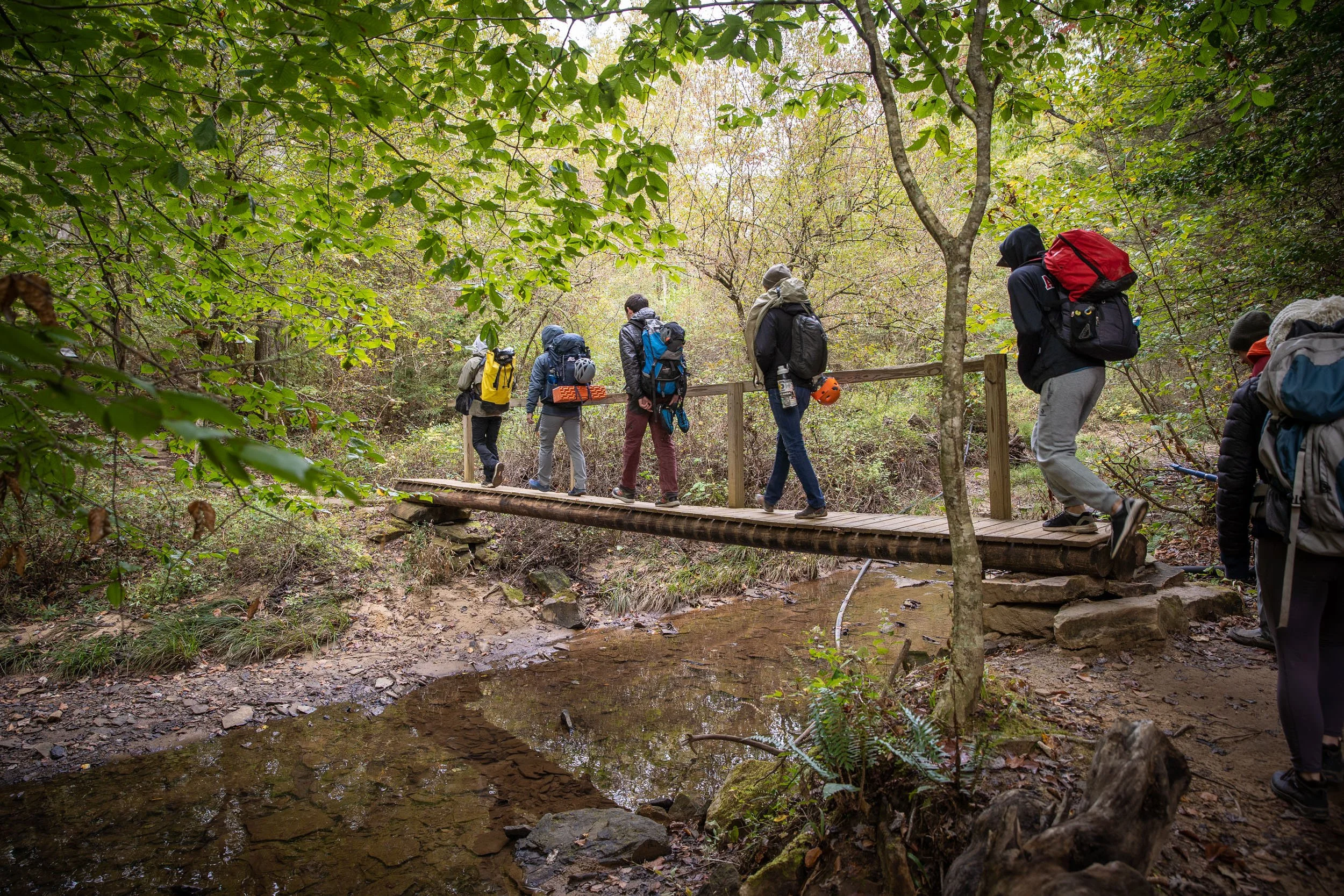
Access Fund is pleased to announce $30,484 in new climbing conservation grants to climbing advocates around the country. Our 8 awardees will advance new projects in climbing trail and belay infrastructure improvements, educational signage, non-profit incorporation, trail accessibility, and cliff ecology education.
Since 1991, Access Fund has awarded more than $1.7 million in Climbing Conservation Grants to support 518 projects in land conservation and climbing access. Our summer 2026 grantees include:
Climbers for Bat Conservation: 2nd Cliff Ecology Conference
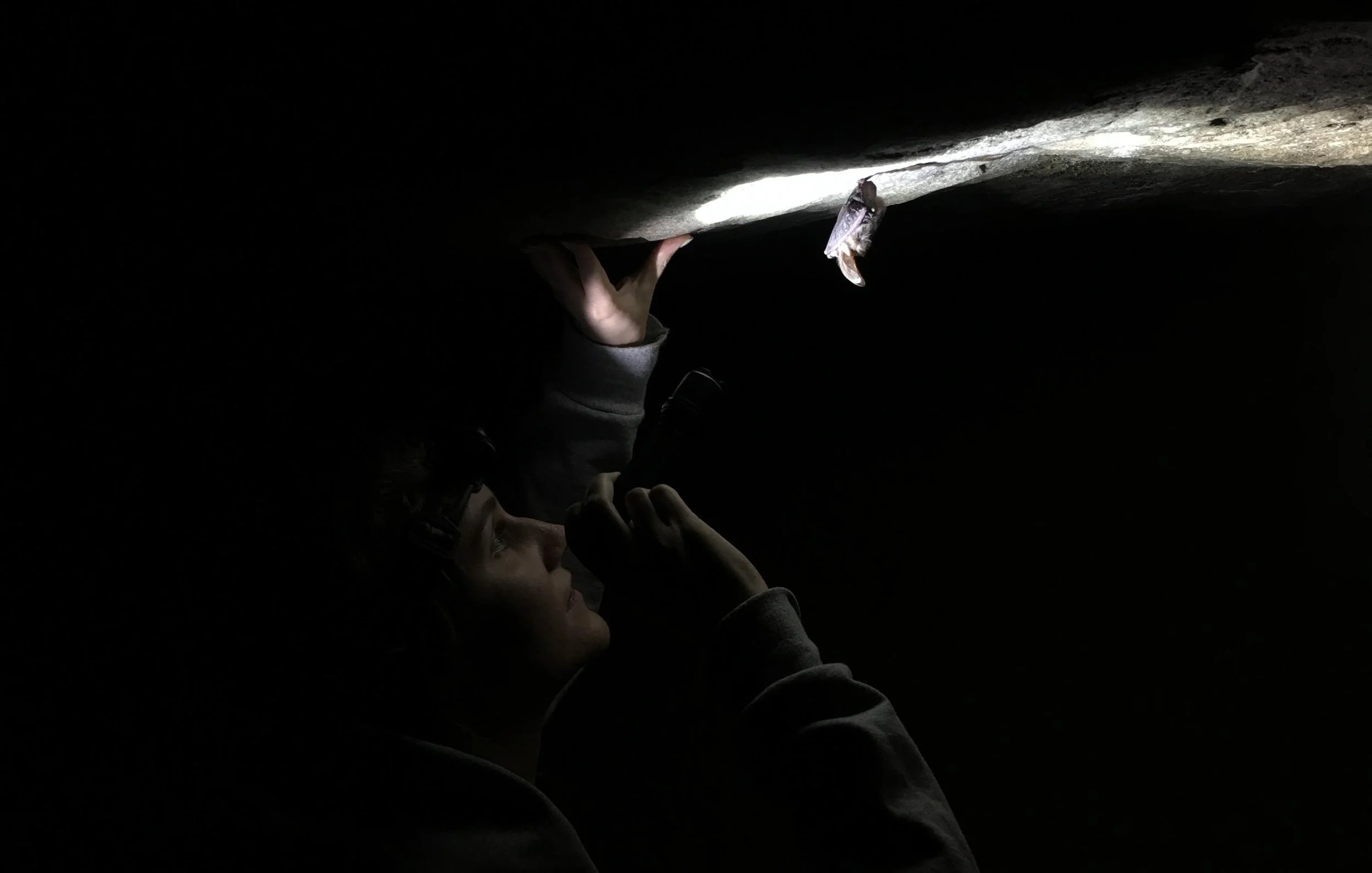
Climbers for Bat Conservation (CBC) is planning a second Cliff Ecology Conference at the Schoodic Institute at Acadia National Park in Maine. Similar to the first iteration CBC hosted in 2024, this conference will consist of two days of panels and education on the ecological factors in and around cliffline habitats. Researchers and biologists from across the world will be invited to discuss their studies, and present conservation solutions and management strategies for all kinds of lichens, mosses, fungi, plants, and animals. These discussions will help LCOs, land managers, and climbers as a whole better understand the costs and benefits of climbing on the natural, vertical landscapes.
© François Lebeau
High Desert Climbers Alliance: Non-Profit Status Reinstatement
Following a lapse of 501(c)3 status with the IRS several years prior, High Desert Climbers Alliance (HDCA) uncovered additional organizational errors while researching how to best reinstate the organization’s tax-exempt status. These unfortunate issues made it clear that the best path forward was to dissolve the current non-profit and start from scratch. HDCA is working with the Center for Non-Profit Law (CNPL) to incorporate a new non-profit and apply for 501(c)3 status with this new entity. Following this process, all existing assets will be transferred to the new organization prior to the current non-profit structure being dissolved.
Northern Arizona Climbers Coalition: The Pit Access Restoration Project
Le Petit Verdon AKA ‘The Pit’ is a popular sport climbing area outside of Flagstaff, AZ and years of concentrated use have deteriorated the main approach trail. The Northern Arizona Climbers Coalition (NAZCC) previously conducted a project assessment of this area with the Forest Service and developed a work plan for the approach trail. The planned restoration will be focused on ~500 feet of this trail and construction of stone steps, retaining walls, drainage features, and tread stabilization. NAZCC will also build out its tool inventory through part of this funding as well.
New River Alliance of Climbers: Butcher Branch Falls Trail Switchback
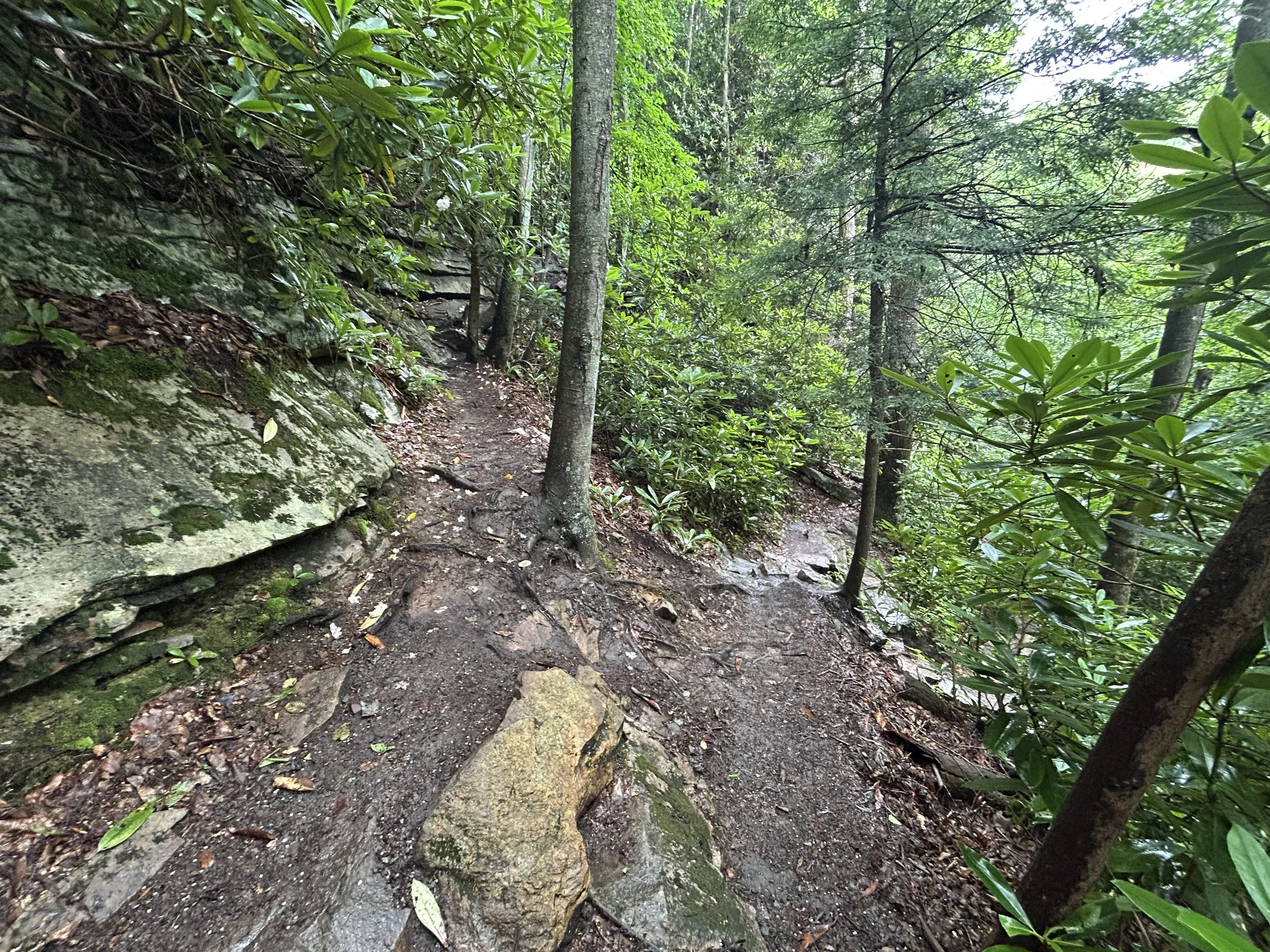
The Butcher Branch Falls trail is a major trail in the New River Gorge National Park that services several of the crags in the greater Kaymoor area. Under stress of high traffic from climbers and hikers, certain sections of the trail have greatly deteriorated and have become a priority for the New River Alliance of Climbers (NRAC) to rehabilitate. A large section of switchbacks on this trail will be the focus of NRAC’s 2027 (Not) Work Week. The trail restoration itself will be carried out by improving drainage, stabilizing tread, reinforcing turns, reducing user trails and other erosion.
Outdoor Chattanooga: Education & Kiosk at Walnut Wall
The City of Chattanooga has a local park along the Tennessee River and surrounding the historic Walnut Street Bridge.. One of the bridge piers has been repurposed as an urban climbing wall that Outdoor Chattanooga runs programming on. The city is installing an educational kiosk in the park, near the Walnut Wall, that will describe rock climbing in the greater region, Leave No Trace principles, and how to respect wildlife & other resources at outdoor climbing areas. The LCOs in the area and the properties they manage will also be displayed on this signage.
© Mike Wilkinson.
Red River Gorge Climbers’ Coalition: Miller Fork Bridge Expansion
Two major bridges in Miller Fork Recreational Preserve are in need of replacement and upgrades — one that connects the parking area to the rest of the preserve and a second on the main trail system leading through the eastern half of the property. These bridges have been prone to washouts in recent years with the increased frequency of flooding in the area and require mobilizing volunteers and machinery to get them back into place. The Coalition’s land management team is planning to replace both bridges with an upgraded design that will be less prone to washouts and flood damage, while also expanding their width to meet both search & rescue and accessibility standards.
Sierra Climbers Association: LCO Founding
The southern Sierra Nevada range has a wealth of climbing, including zones within Sequoia & Kings Canyon National Parks, Shuteye Ridge, The Needles, & more. This region has a distinct lack of local climbing advocacy since the local alpine club disbanded and this new organization is looking to fill that gap. The group of volunteers establishing this new LCO already have relationships with federal land managers in the area, but are not permitted to do official work without a non-profit entity. Sierra Climbers Association will utilize grant funding to support their startup costs – non-profit incorporation, IRS filing, insurance, and a variety of organizational expenses.
Wisconsin Climbers Alliance: Leave No Trace & Climber Education Campaign
Following an economic impact study that included LNT & climber education surveys, the Wisconsin Climbers Alliance (WCA) is planning to utilize the findings from that study to launch relevant climber education programming. Working with, and per the request of, Wisconsin DNR, this project will involve creating and printing two climbing-specific brochures for Willow River & Rib Mountain state parks. Additionally, WCA is planning to contract a social media specialist to develop a communications strategy that will engage climbers on LNT principles, crag etiquette, climber impacts, local ethics, natural resources, and more.