Today, the Senate Energy and Natural Resources Committee advanced an amended bill that includes language to nullify the 2001 Roadless Area Conservation Rule across most national forests.
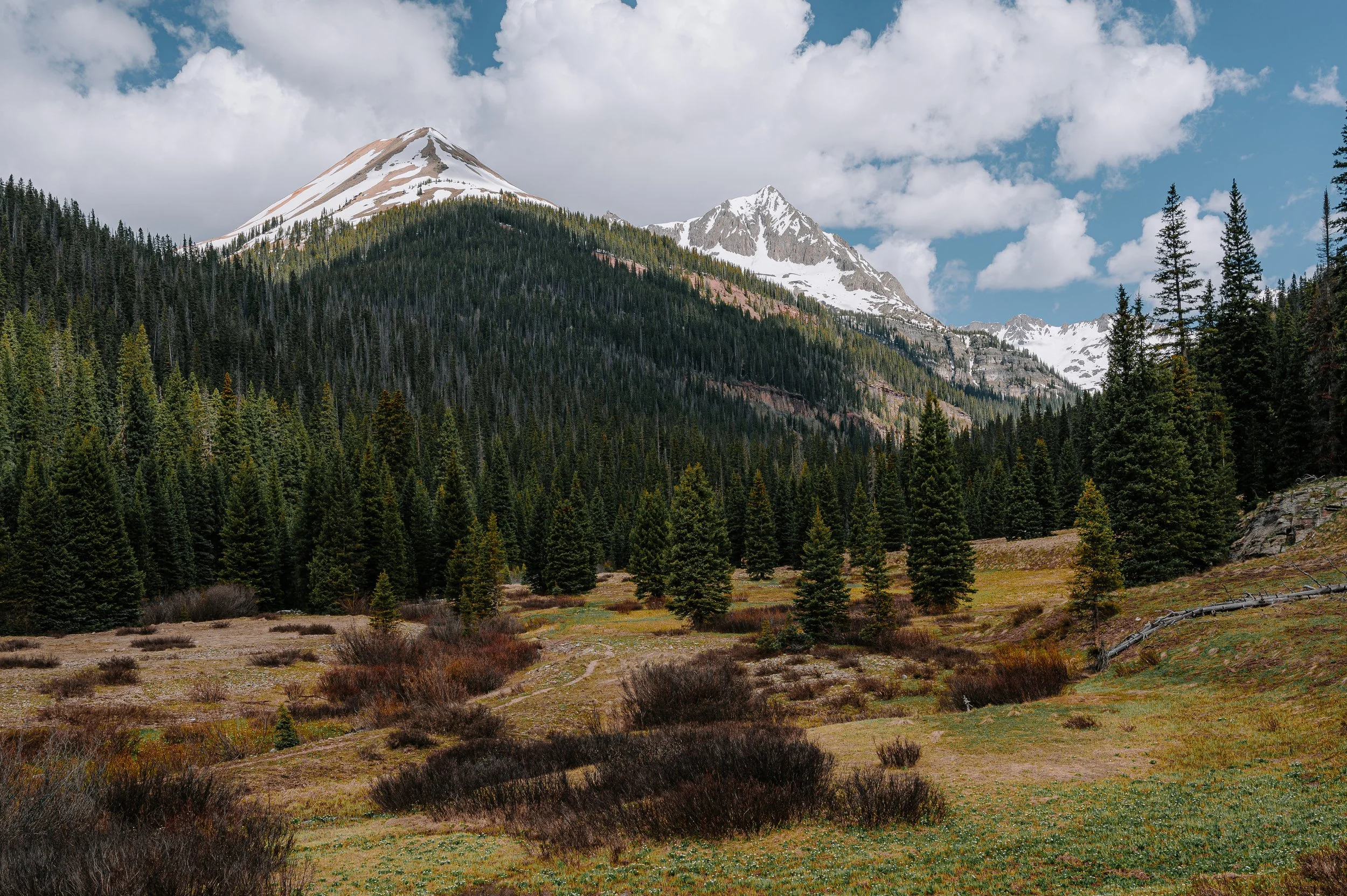
The Roadless Rule protects nearly 45 million acres of National Forest lands from most permanent road construction and certain intensive timber harvesting. These Inventoried Roadless Areas include some of the wildest and least-developed landscapes in the National Forest System—and they are home to important climbing areas, backcountry approaches, alpine terrain, and more than 10,000 climbing routes.
The provision was added to S.140, the Wildfire Prevention Act of 2025, through an amendment offered by Senator Mike Lee of Utah. The wildfire bill directs federal agencies to increase wildfire mitigation projects and improve forest health The amendment would eliminate the national Roadless Rule, while excluding Idaho and Colorado, which have state-specific roadless rules.
Senators Ron Wyden, Maria Cantwell, Alex Padilla, Ruben Gallego, and Mazie Hirono offered an amendment to remove the Roadless Rule repeal language. That amendment failed on a 9–11 vote. The committee then voted 11–9 to report the amended bill to the full Senate.
The bill is now eligible for a Senate floor vote, although it is unclear whether or when that vote will occur. Similar wildfire legislation has advanced out of committee in prior years without becoming law.
For climbers, the stakes are clear. Roadless areas help protect the backcountry character, ecological integrity, and quiet recreation values of many climbing landscapes. They also limit new road construction that can fragment habitat, increase erosion, harm watersheds, and change the remote setting of climbing areas.
The committee vote comes as the U.S. Dept. of Agriculture is also considering changes to the Roadless Rule through a separate rule making process. A draft environmental impact statement and public comment period are expected in the coming months.
Access Fund will continue tracking both the legislative and administrative threats to the Roadless Rule and will share opportunities for climbers to speak up for backcountry climbing landscapes.