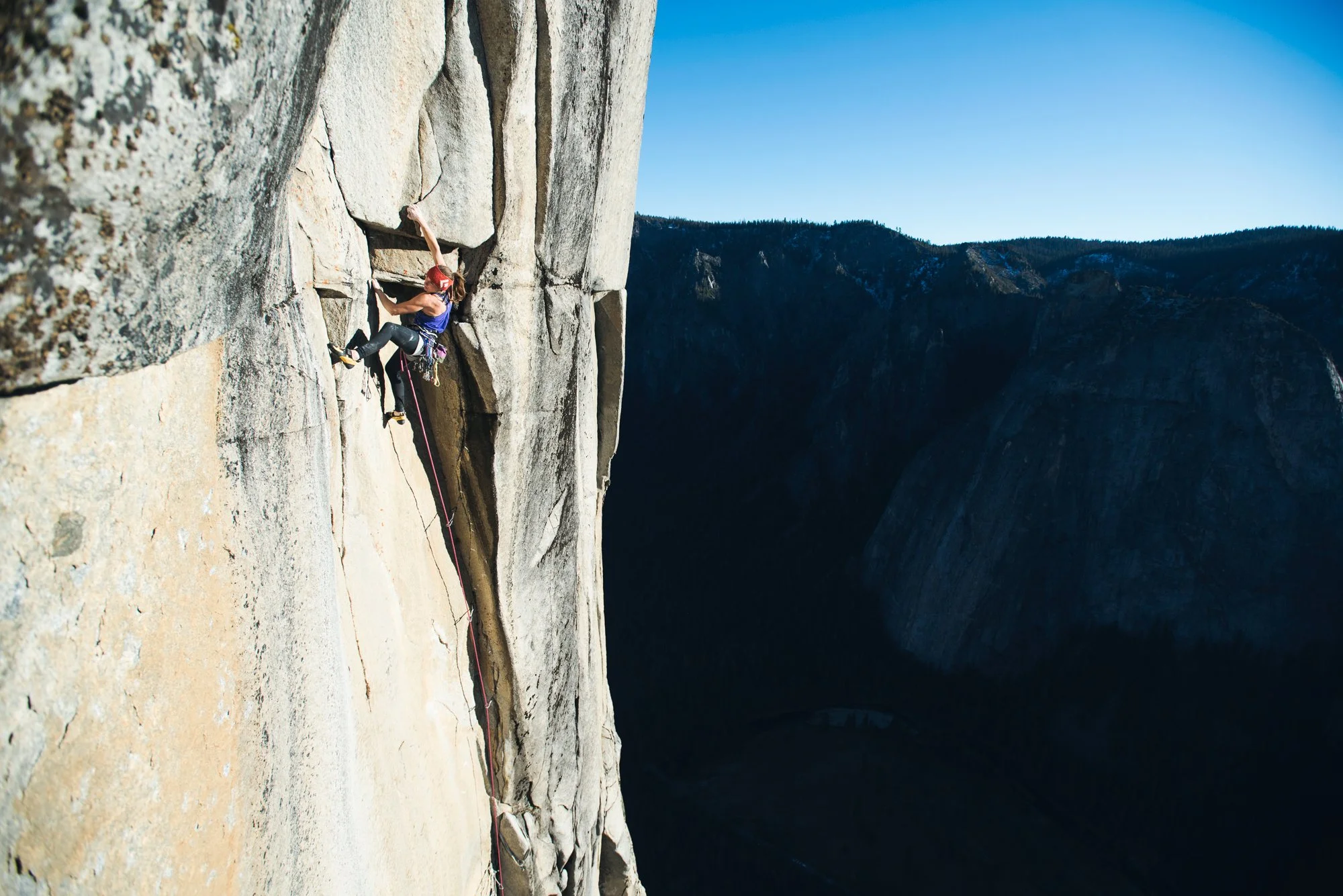
Yosemite National Park is one of America’s most treasured public lands, and a place that has shaped generations of climbers. I’m very fortunate to live in the Eastern Sierra, with Yosemite in my backyard. So, when the news broke a few weeks ago about a potential land exchange between Kingsbarn Realty Capital (a private developer) and Yosemite National Park, the issue hit close to home.
Kingsbarn Realty Capital owns approximately 83 acres known as Hazel Green Ranch, just outside Yosemite. The company is seeking access to Big Oak Flat Road and has proposed an exchange involving less than two acres of federal land in Yosemite for privately owned land elsewhere in California.
Less than two acres of federal land may not seem like much, but the implications of the proposal are much broader. At its core is an important question: Should land within Yosemite National Park be transferred in order to facilitate private commercial development and would this transfer benefit NPS and the American public?
As Access Fund’s Western Regional Director, I organized meetings with other stakeholders and conservation organizations to discuss the proposal and its potential impacts. Among the concerns discussed were effects on wildlife habitat, wildfire risk, water resources, viewsheds, soundscapes, traffic, and additional pressure on Yosemite’s already-strained infrastructure.
Another concern is the potential use of the Land and Water Conservation Fund (LWCF) in connection with the proposed exchange. LWCF is one of the nation's most important conservation programs, providing funding to protect public lands, waters, and outdoor recreation opportunities. Significant conservation and recreation needs remain across the country. The possibility that LWCF funding could be used in a transaction that would facilitate private commercial development raises important questions about whether those funds would be serving the program’s conservation purpose and the public interest.
For climbers, this is about more than access to a road. Yosemite belongs to all of us. Any proposal to transfer land within a national park, particularly one that could facilitate private commercial development, deserves careful scrutiny and a transparent public process. The public should have access to the relevant facts, understand the potential conservation impacts and available alternatives, and have a meaningful opportunity to weigh in before a decision is made. That transparency is essential to maintaining public trust and ensuring that decisions affecting Yosemite and other national parks serve the public interest and protect the landscapes we all value..
Access Fund will continue to monitor the proposed land exchange and keep the climbing community informed as we learn more. If you have questions about the Yosemite land exchange, please contact policy@accessfund.org to connect with one of our policy experts.

Katie Goodwin
Western Regional Director & Policy Analyst, Access Fund
Other links & Sources: